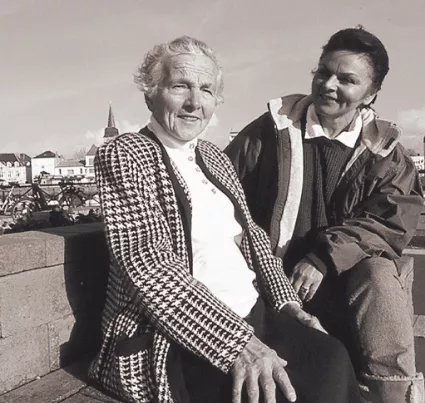
«Мы — одна из старейших в мире верфей, которой до сих пор управляет семья»
Аннетт Ру, внучка основателя компании и президент фонда Beneteau
«Мы — одна из старейших в мире верфей, которой до сих пор управляет семья»
Аннетт Ру, внучка основателя компании и президент фонда Beneteau
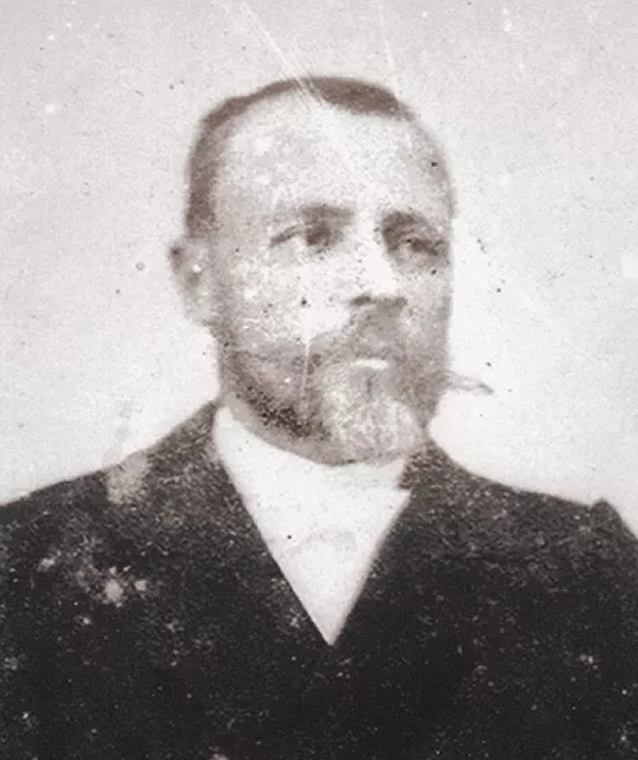
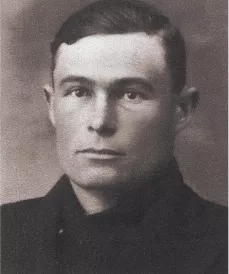
Жизнь Бенжамена с самого начала складывалась необычно. Он родился в небогатой многодетной семье в городке Сен-Жиль на побережье Бискайского залива. В возрасте шести лет его усыновил дядя – Франсуа Уйер. Франсуа был морским путешественником, и его рассказы о море зажигали в мальчике мечты. Уже в 12 лет Бенжамен служил юнгой на шлюпе Eliza и грезил о строительстве кораблей на верфи отца своего лучшего друга. Страсть к морю привела его в Рошфор, где после военной службы в 1879 году он осуществил мечту, выучившись на морского архитектора.
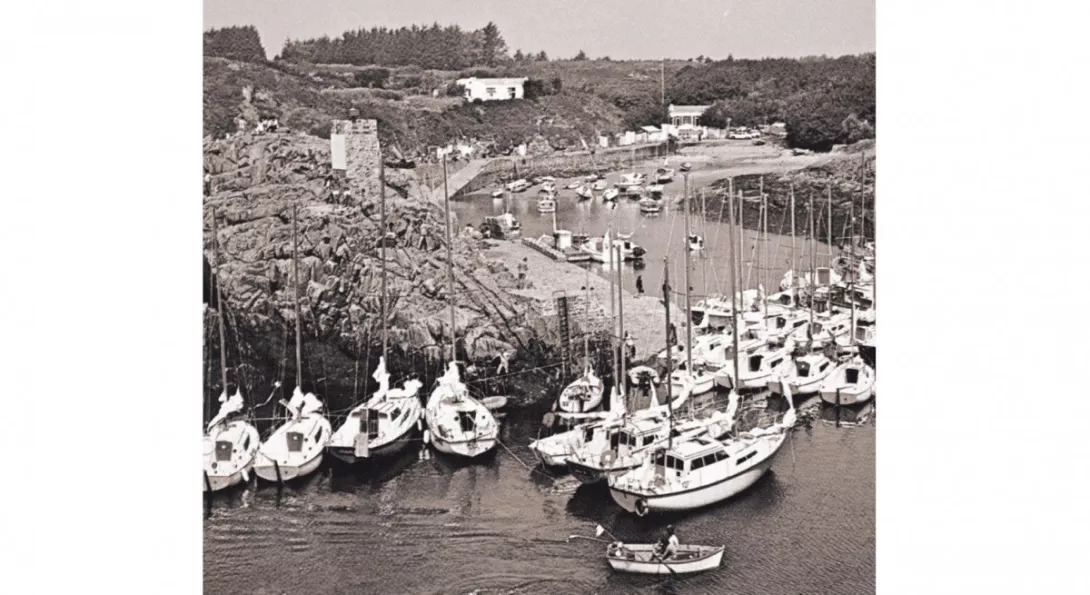
В 1884 году в порту Круа-де-Ви, на набережной Ки-де-Гренье, наш дед основал компанию под собственным именем Beneteau. В то время местные верфи строили небольшие рыбацкие парусники – шлюпы, данди и газели. Рыбаки, которые раньше других возвращались в порт с уловом, продавали его по более выгодным ценам. Естественно, скорость стала одним из главных критериев качества в строительстве лодок. Эта погоня за результатом навсегда осталась в ДНК верфи — наши инженеры никогда не останавливаются на достигнутом, продолжая искать новое.
Эра моторов пришла в нашу компанию в 1909 году. Наш дед, несмотря на дороговизну проекта, создал первую в регионе моторную рыбацкую лодку. Покупателей на нее не нашлось, и он оставил моторку себе, дав ей провокационное имя: Vainqueur des Jaloux – «Победитель завистников». В Круа-де-Ви, специализировавшемся на ловле сардин, находилось около десятка консервных заводов. Женщины, работавшие на них, считали, что шум двигателя отпугивает рыбу. Они прекратили работу и вышли встречать Бенжамена с камнями в руках. Для наведения порядка пришлось вызывать жандармов из соседних городов. Конфликт утих лишь через несколько месяцев. Вторую моторную лодку для добычи сардин дед назвал символично: La Paix — «Мир».
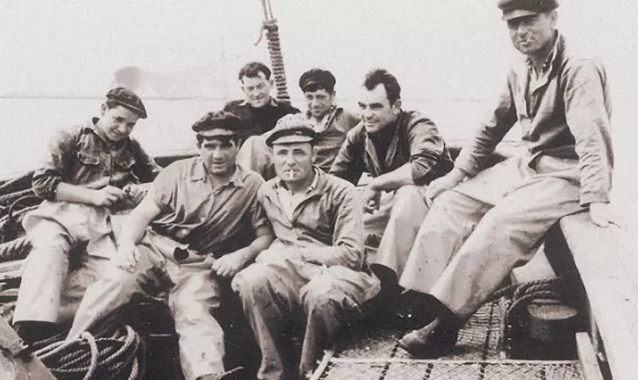
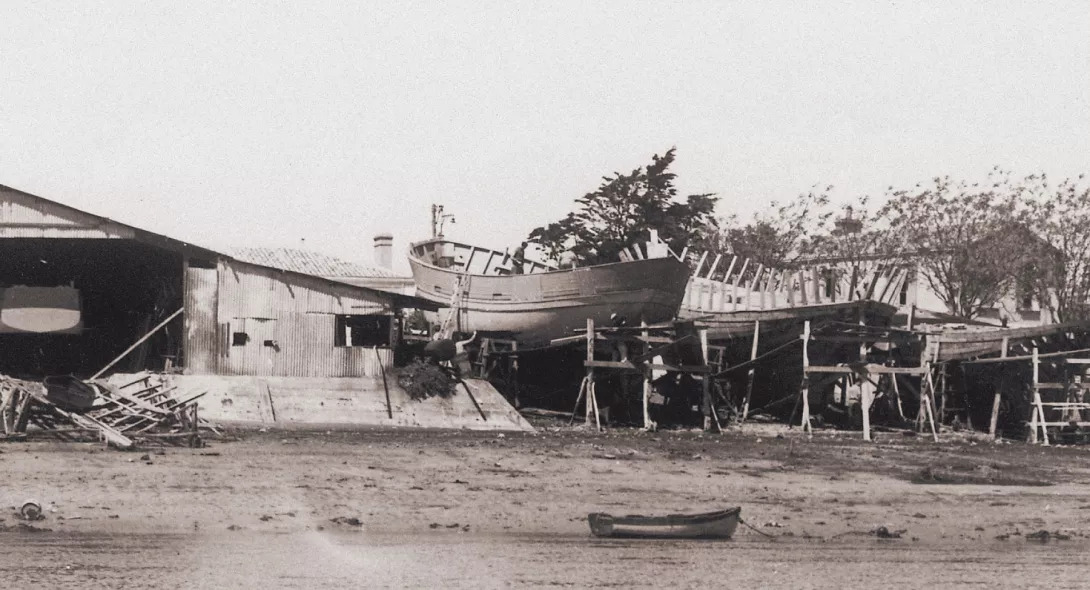
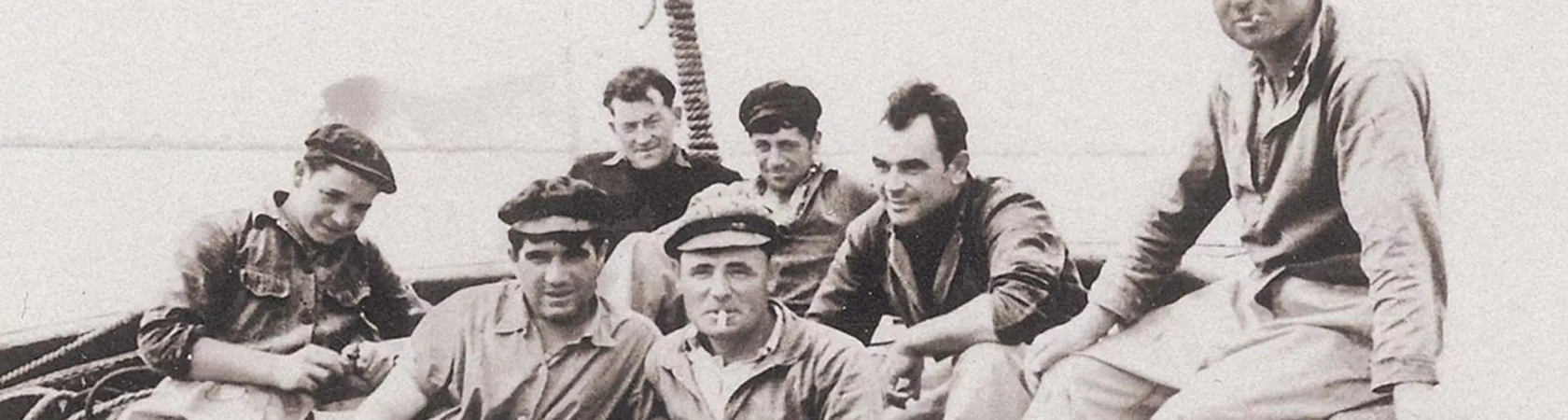
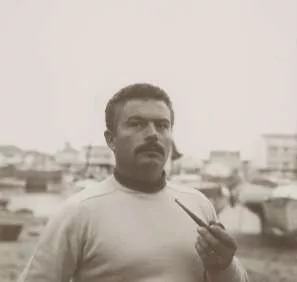
После Первой мировой войны верфь вернулась к работе лишь в 1928 году, когда её основателя уже не было в живых. Предприятие возглавил единственный сын Бенжамена — Андре Бенету, которому тогда исполнился 21 год.
Местные жители считали, что верфь умерла вместе с её основателем, не видя в наследнике той же харизмы. Да, наш отец был сдержан и молчалив, как настоящий моряк. Но у него был дар к черчению.
Then the Second World War came, together with the departure of a few companions. Father married our mother Georgina, and our brother André was born in 1934. At the end of the war, with the return of some of the companions there from the start, the Boatyard would be back in full swing again for an exceptional period that would last until the 1960s.
My brothers and sisters and I have wonderful memories of this period. Admittedly, our family was modest and cost prices did not fill my father with passion, but what a school of life it was! Everything began for us with choosing oak trees in the forest on Sunday. This got us outdoors, but choosing trees was an almost religious moment, as was their arrival on Quai des Greniers, and their cutting, with the stress of finding too much sapwood, in which case, we had to start over again.
We all lived together as a family: children, apprentices, employees, customers and I do not know a finer trade than that of a boat-builder during that particular period. Of course, this was how we learned all about it.
I cannot pass over my mother’s role, in this page of our history, in silence. Although our father was considered an artist, and respected as such, our mother was “the Boss”. Those with difficulties towards the end of the month came to her, as did the workmen who injured themselves, and my mother dressed their wounds. She knew everything, and most of all, she faced up to everything. If you learn by good example, we could not have dreamed of a better mother than this small – one meter fifty – yet so great a woman.
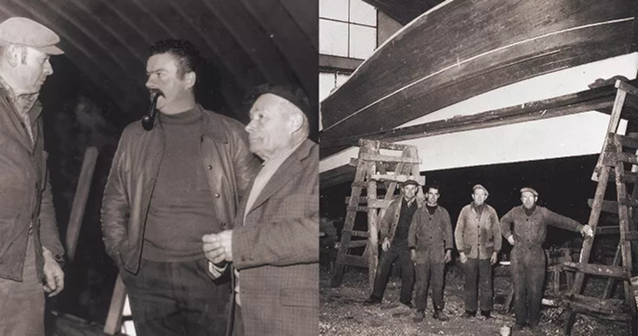
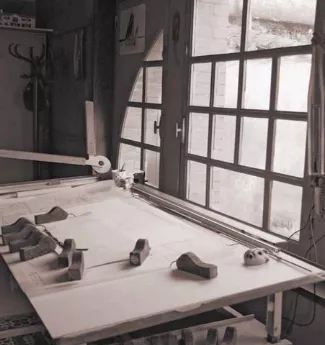
От того времени у меня остались лишь ощущения. Всё звучало как будто приглушённо. Мастера почти перестали насвистывать, родители молчали, клиентов становилось всё меньше, а банкиры заходили всё чаще. Рыболовный промысел переживал упадок.
The passion of André, our elder brother, is drawing. Unfortunately, there was nothing left to draw. Our parents still had three children to raise, and we had our 17 ship’s carpenter companions. How do you find new jobs for ship’s carpenters ?
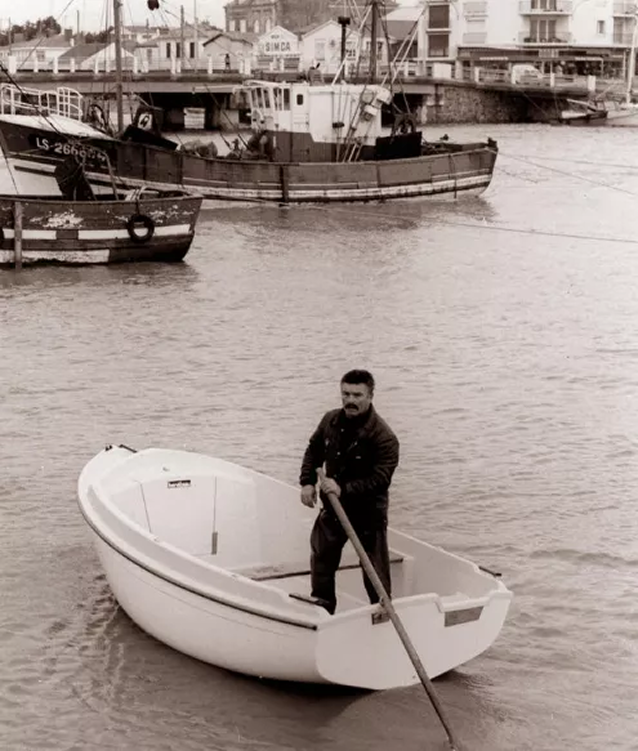
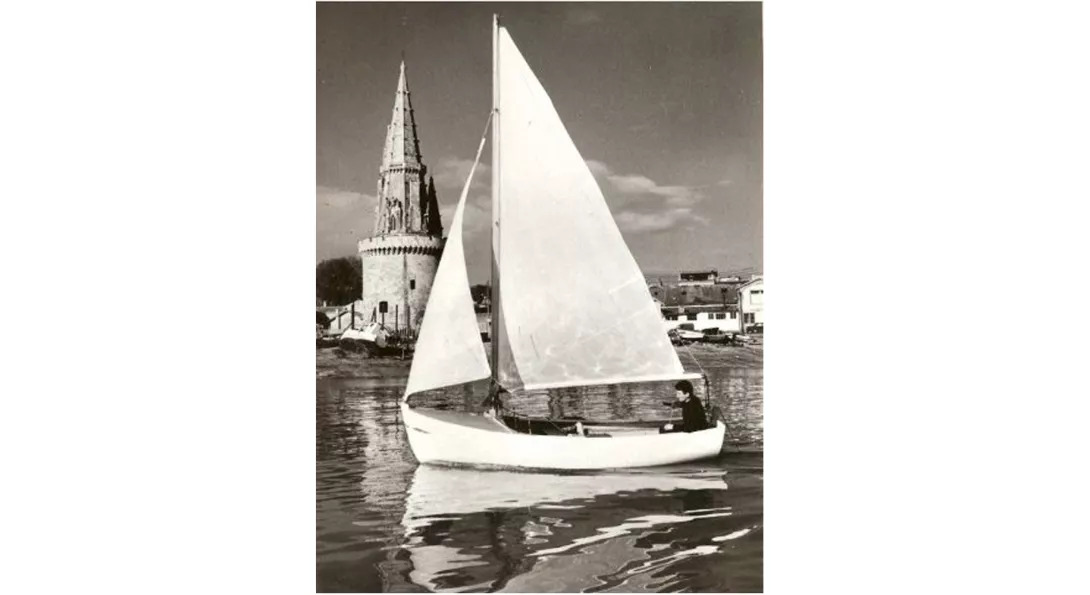
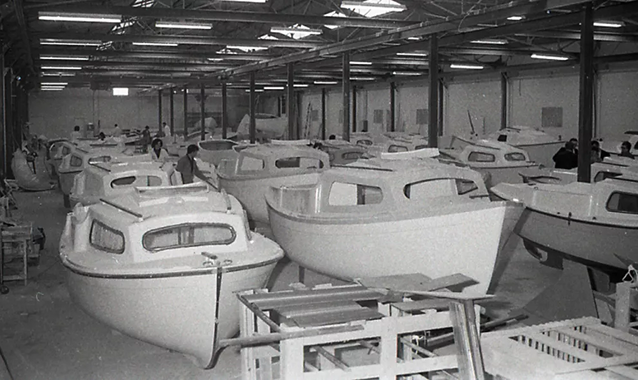
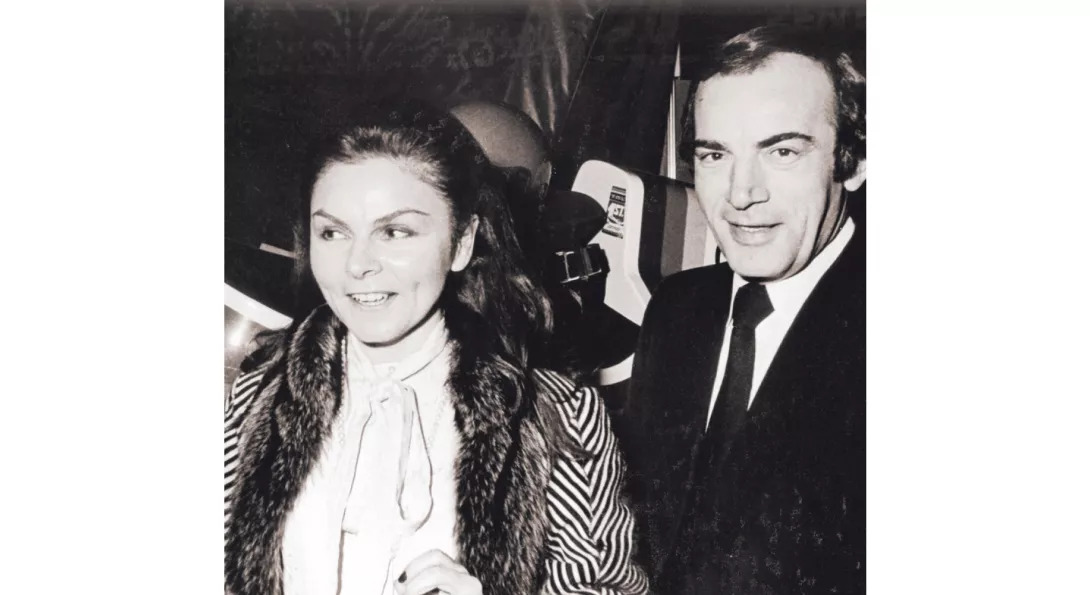
Кто-то говорил, что нам просто повезло. Но для меня это был знак судьбы. Именно тогда я встретила человека, который позже стал моим мужем, и я осознала, насколько шатко положение компании, которой я начала руководить. Мне было тогда около 22 лет. Женщина в деловом мире 60-х была редкостью, хотя в семьях ремесленников жене нередко принадлежала ключевая роль.
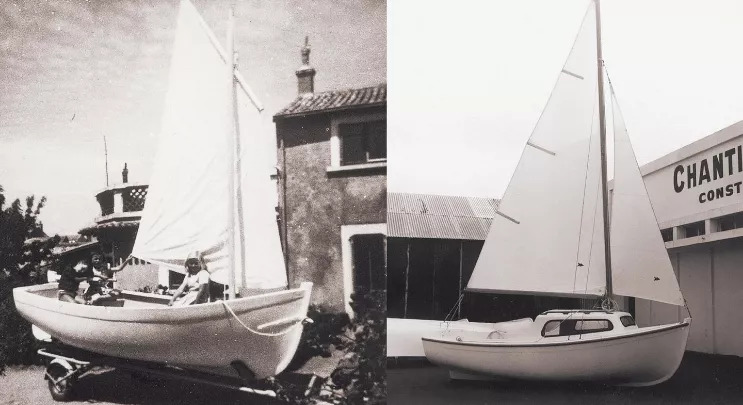
We also owe this luck to our father, who without thinking of ‘sailing’ for a second, had knowledge of a new material: polyester. Our father’s idea was to make dinghies for sardine fishing boats out of polyester, which, together with my brother André, they did in 1963.
So it was by visiting maritime cooperatives to sell our dinghies to fishermen, and by showing them at the Lorient Biennial, that we would be noticed by the future dealers we would advise. The 3.60 m sardine fishing dinghy became the Guppy, the 4.30 m one the Flétan, and the small 5.80 m tulip-shaped speedboat, the last boat designed by our father, the Ombrine.
In fact, we had just created a new market segment, which would be referred to as the recreational fishing boat, but we did not yet know this.
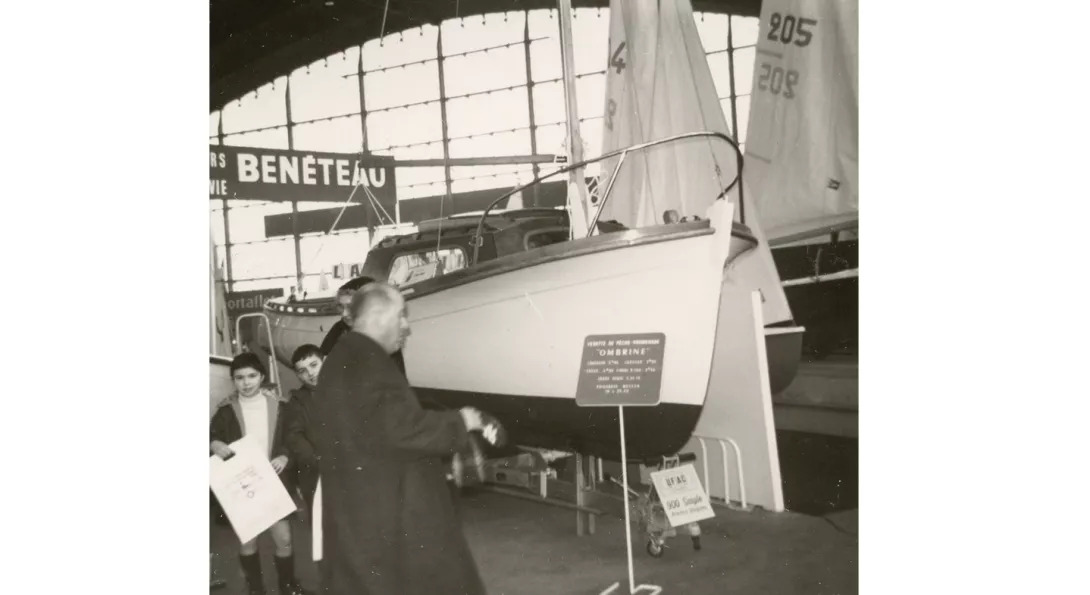
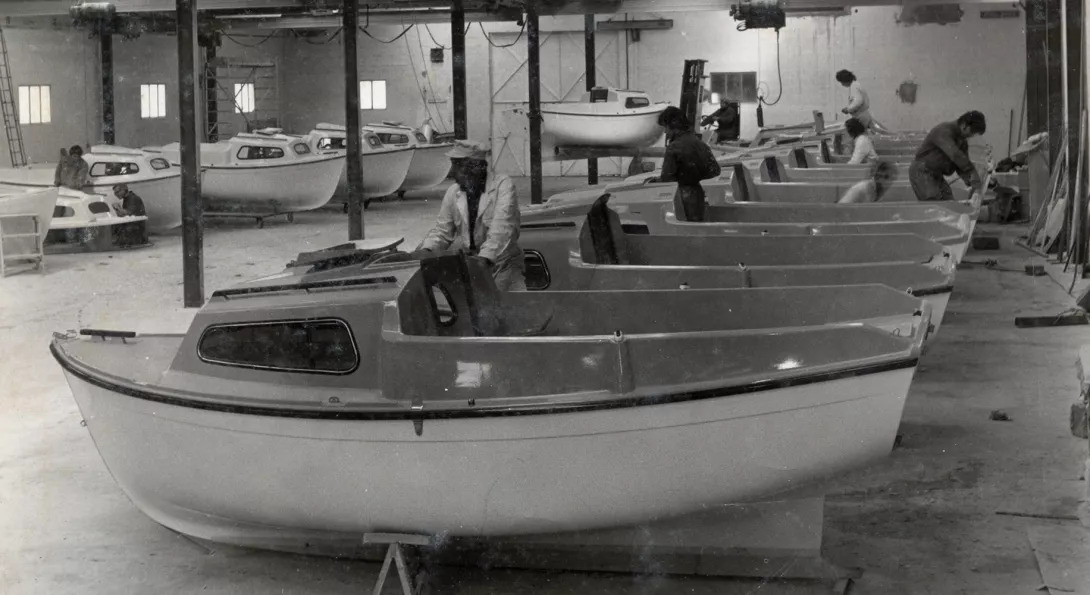
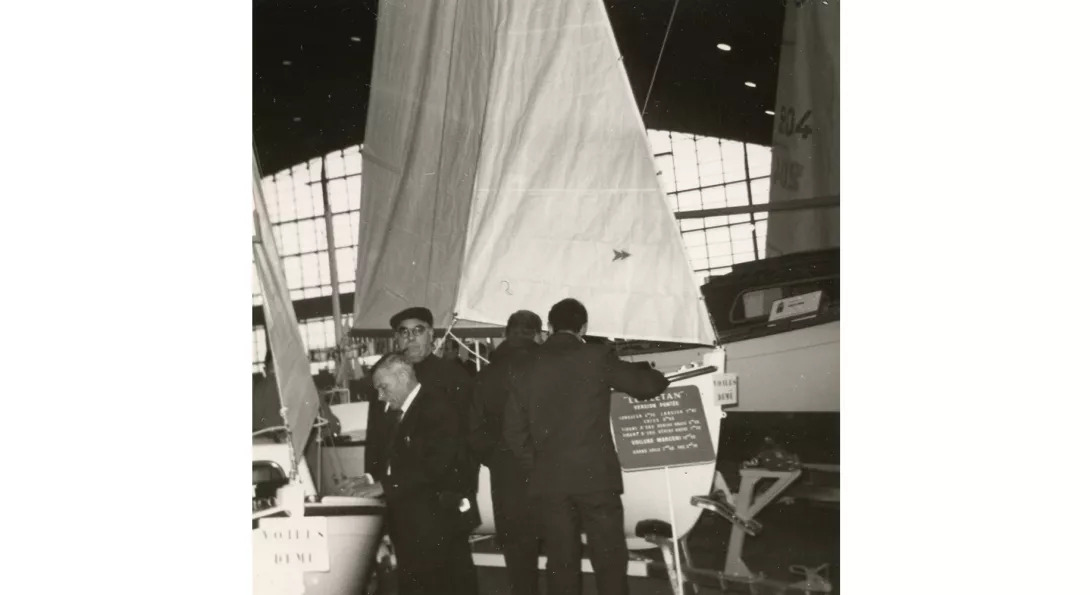
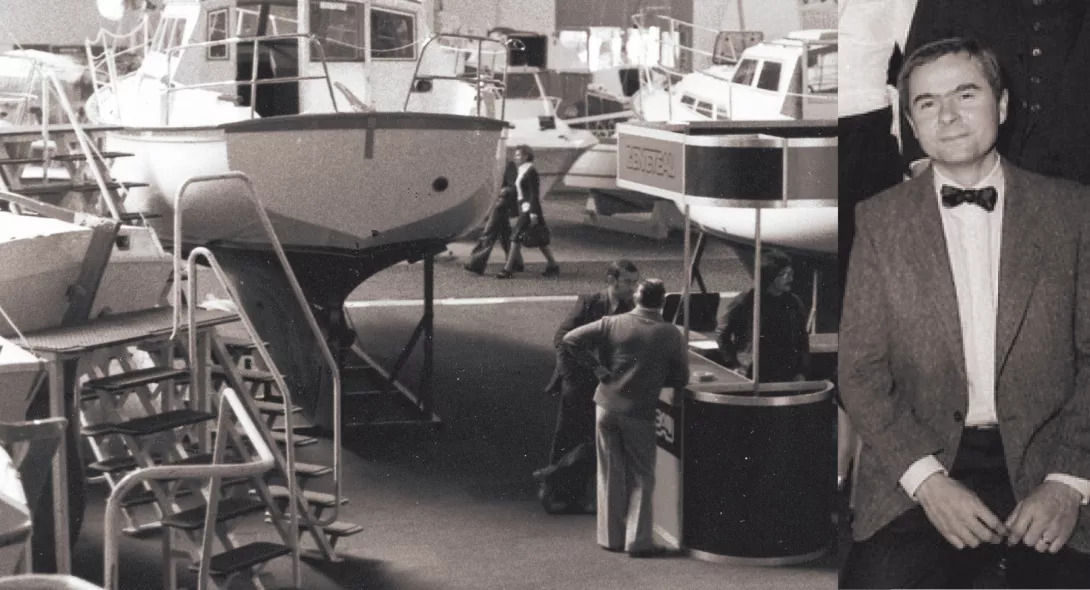
Дебют на выставке в Париже в январе 1965 года был огромным стрессом для нас. Наши лодки были не похожи на другие, и в столице мы чувствовали себя чужими. Но уже через несколько часов после открытия выставки к нам подошли трое бизнесменов. Они сказали, что именно такие лодки ищут их клиенты, но ни одна верфь не берётся их строить. Они и сделали первые заказы для покупателей из Морбиана, Финистера и Кот-дю-Нор (ныне — Кот- д’Армор).
In all, their orders represented several months of work for our teams. After two minutes discussing distribution with my husband, the choice was made. We would distribute our boats through this network, which except for Jeanneau, no one else did.
During these seven years, we would balance out our accounts; subsidize the end of fishing, while we found new jobs for our ship’s carpenters one by one. We would also listen to our customers and invest only in new products, following their desire to buy slightly bigger boats. This is how, alongside the Guppy, the Flétan, Capelan, Cabochard, Galion, Forban, Kerlouan, Baroudeur and Ombrine were born: a full range from 3.60 m to 5.80 m, in a typically national segment at the time.
My brother André was at his drawing table, our father supervised the prototypes in particular, the young ones grew up and the family was happy again!
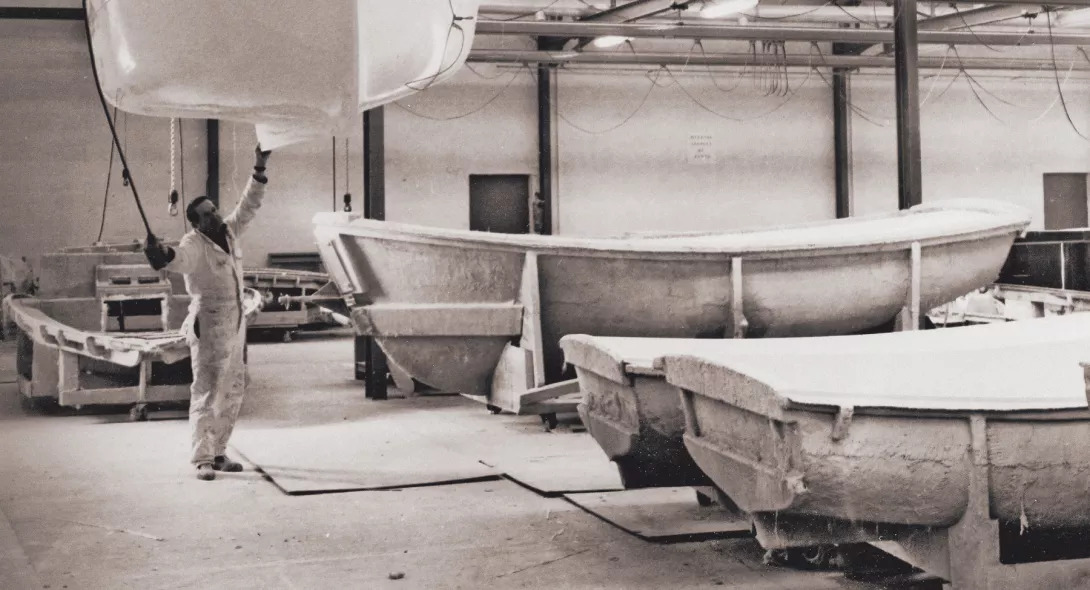
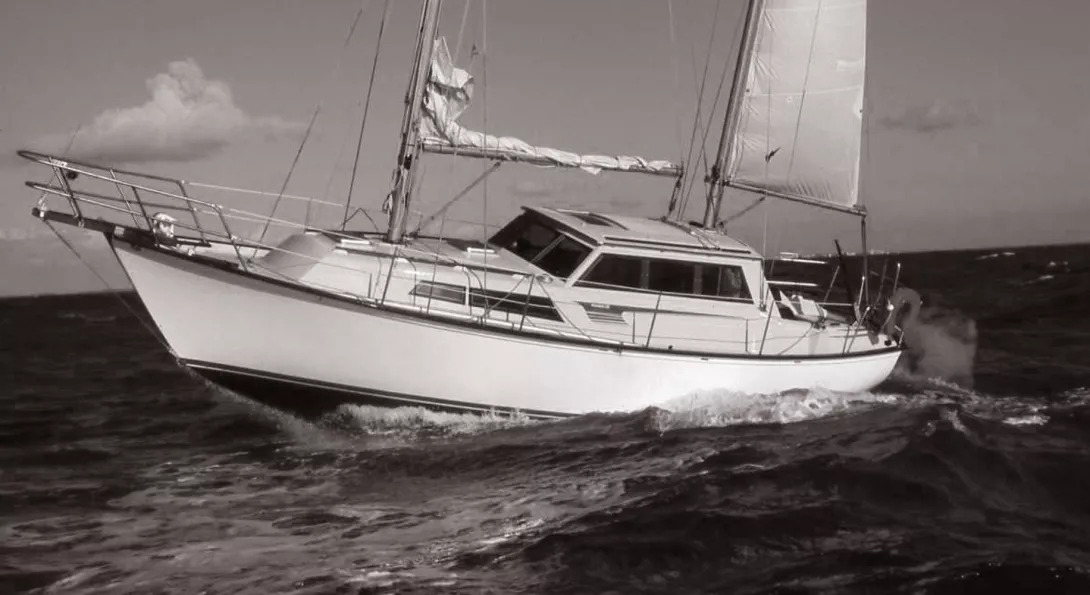
Этот год стал для нас переломным. Финансовое положение стабилизировалось, и мы решились на инвестиции — сначала в людей, а затем в первую производственную площадку. Пусть она была небольшой, но спроектирована с прицелом на серийное производство.
Мы продолжали развивать сегмент прогулочных лодок, и наши клиенты теперь хотели лодки побольше, с комфортом и видом на море прямо из салона.
There is nothing harder than beginning a new range. My brother André listened to us and I can still see him, after months of thought, when we were visiting a boat show in Germany, drawing an innovative boat on a paper napkin in the restaurant and saying “there’s your boat!” This would be the Evasion 32, followed by the later Evasion 37 and Evasion 28 versions.
We then built a new plant in Commequiers, especially designed to manufacture what we thought, at the time, to be the largest production boat sizes that the sailing market would require. At the same time, for the motorboats, the Ombrine would give birth to the Antares range, always designed by André, whose great passion was line fishing.
On the family side of things, we would also see our younger brother Yvon enter the company. He would be fascinated by production all his life and become one of our best specialists.
К тому времени мы заняли прочное место на рынке яхт и рыболовных лодок: тысячи владельцев выходили на них в море. Но некоторые клиенты стали уходить — им нужна была скорость.
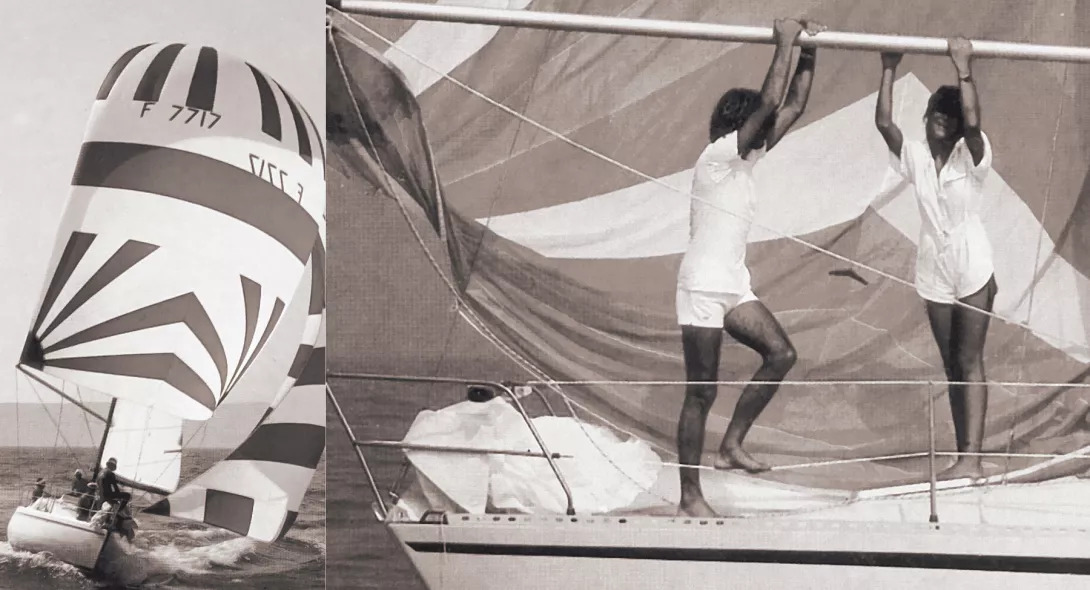
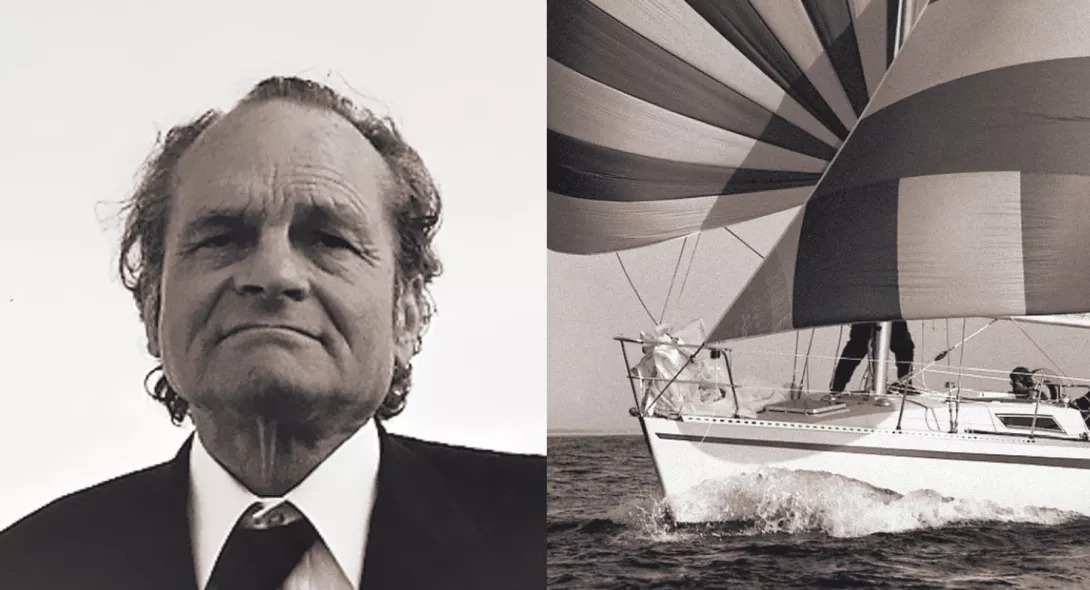
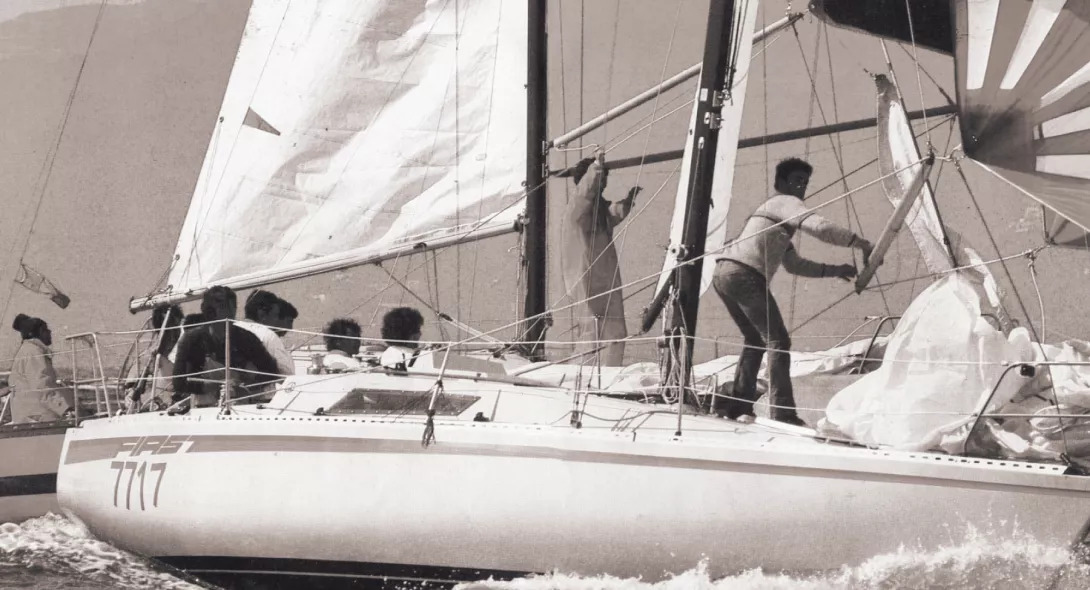
В 1976 году Франсуа Шален (François Chalain), только что присоединившийся к компании Beneteau, предложил купить матрицы яхты Impensable, которая выиграла Кубок полутонников 1973 года. Страстный парусный гонщик Франсуа Шален и архитектор Андре Морик (Andre Mauric) доработали лодку, изменив киль и рубку и создав более комфортную и универсальную модель для гонок и круизов.
We would redesign the sail plan, keel, interior layout, and shape of the coachroof with André Mauric, and it would be called the First. Nobody was expecting this. We showed the First at the Paris Boat Show and it was a revelation. It would become a legendary class. This was the boat that would really open the way for export.
This fantastic success brought us to build several new production plants, all designed by the Béri design office, founded and managed by my husband and which would later become our family Holding.
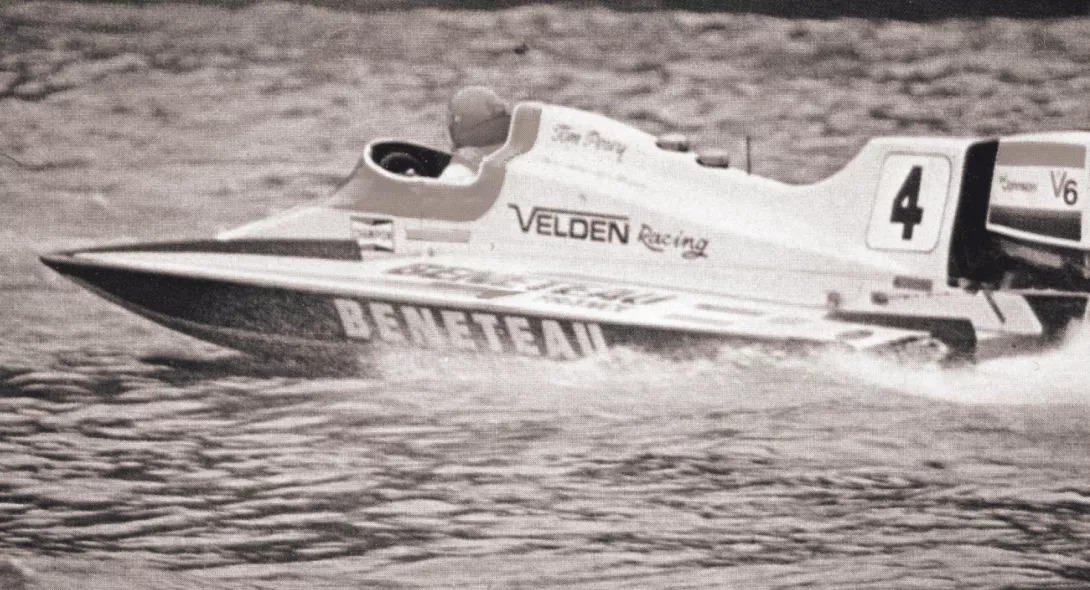
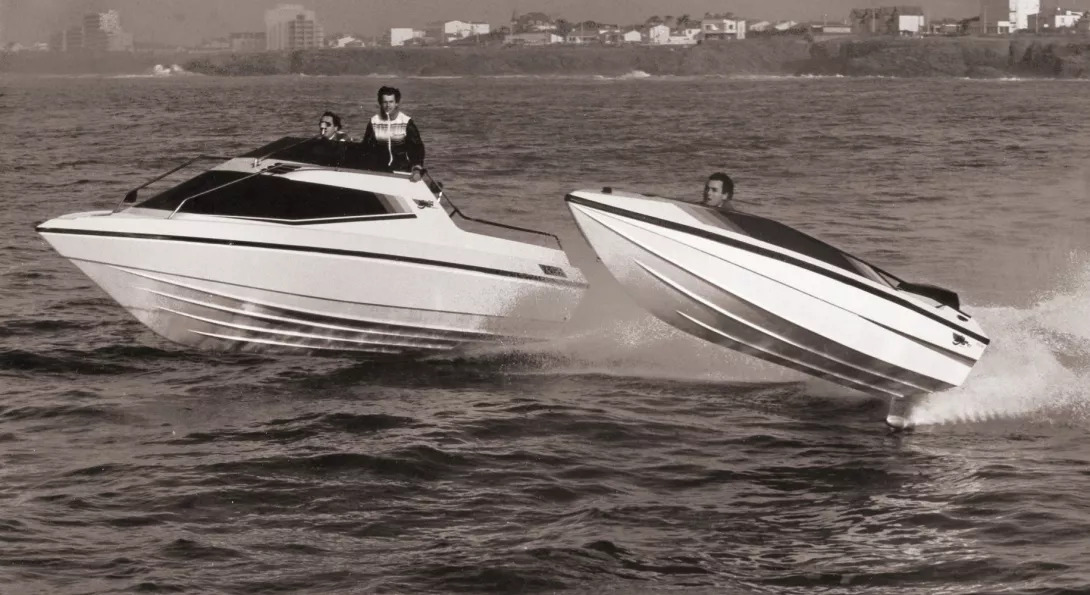
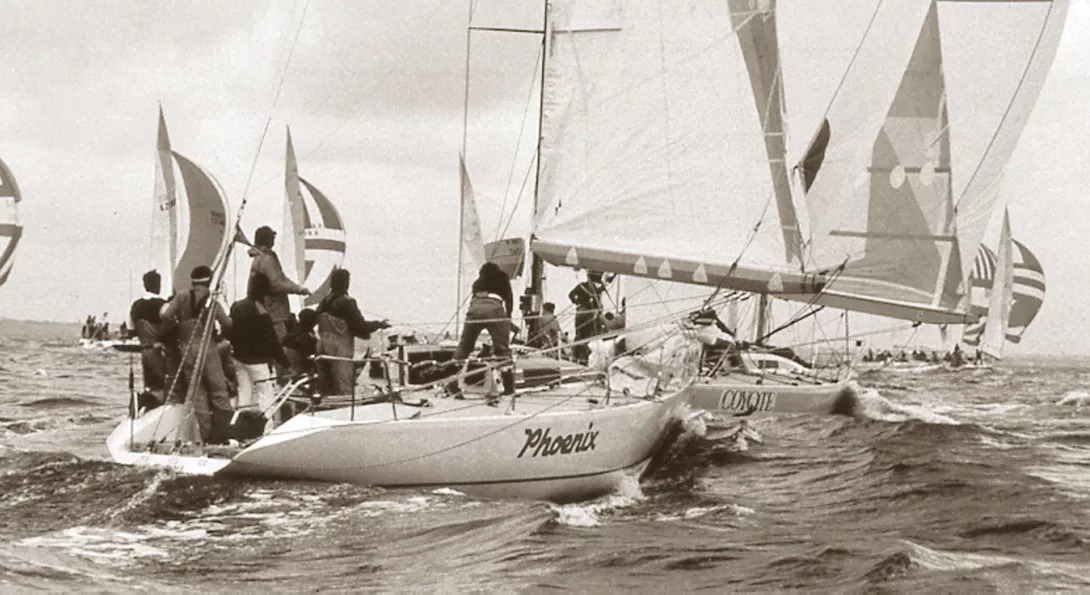
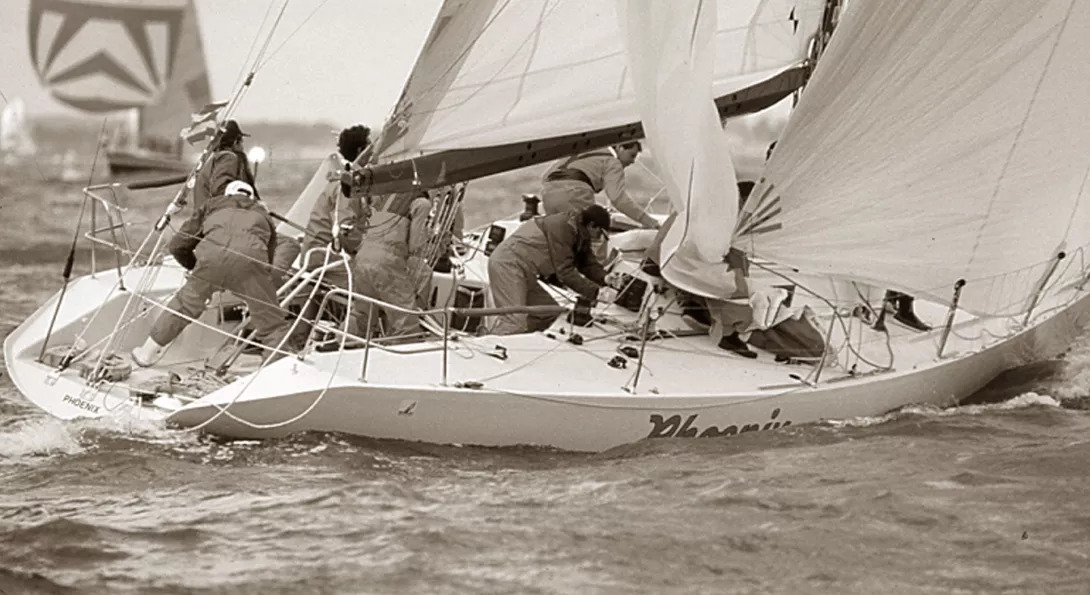
Инженеры моторного подразделения обратились за помощью к известному голландскому гонщику Сису ван дер Велдену и совместно с ним построили катамаран, на котором он под флагом Beneteau выиграл гонку «Шесть часов Парижа». До сих пор помню удивленные лица наших коллег, пытавшихся понять, как мы, «парусники», смогли победить, не имея опыта в моторных гонках. Вскоре после этого появилась линейка яхт Flyer.
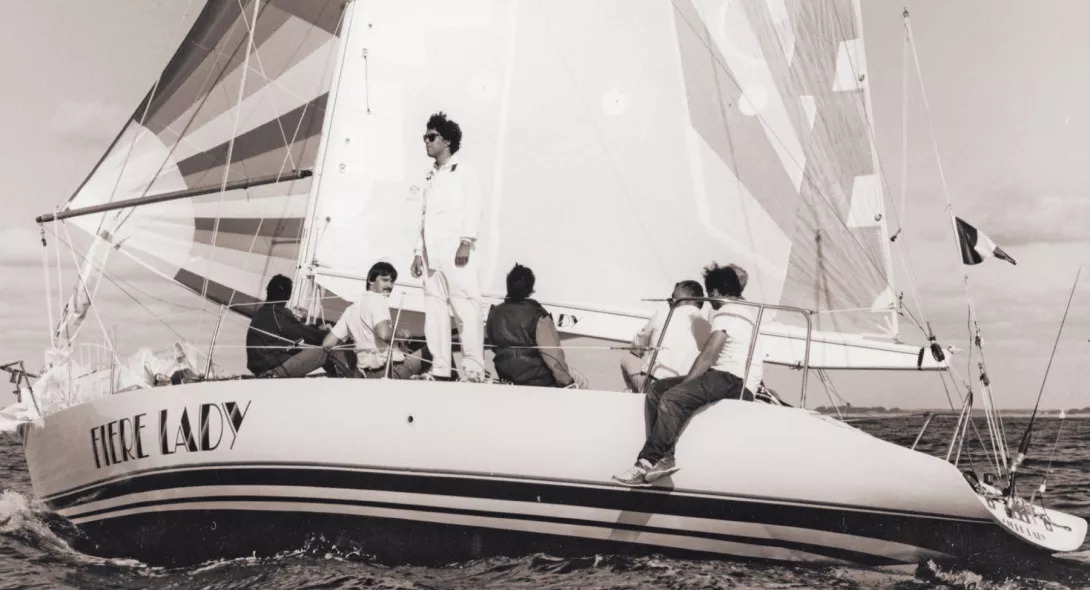
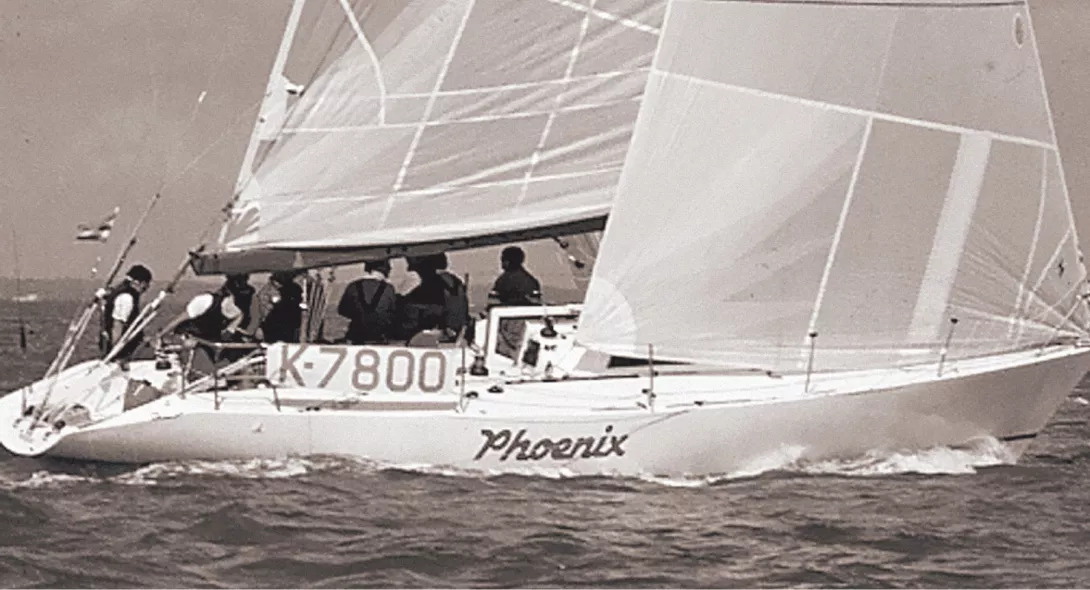
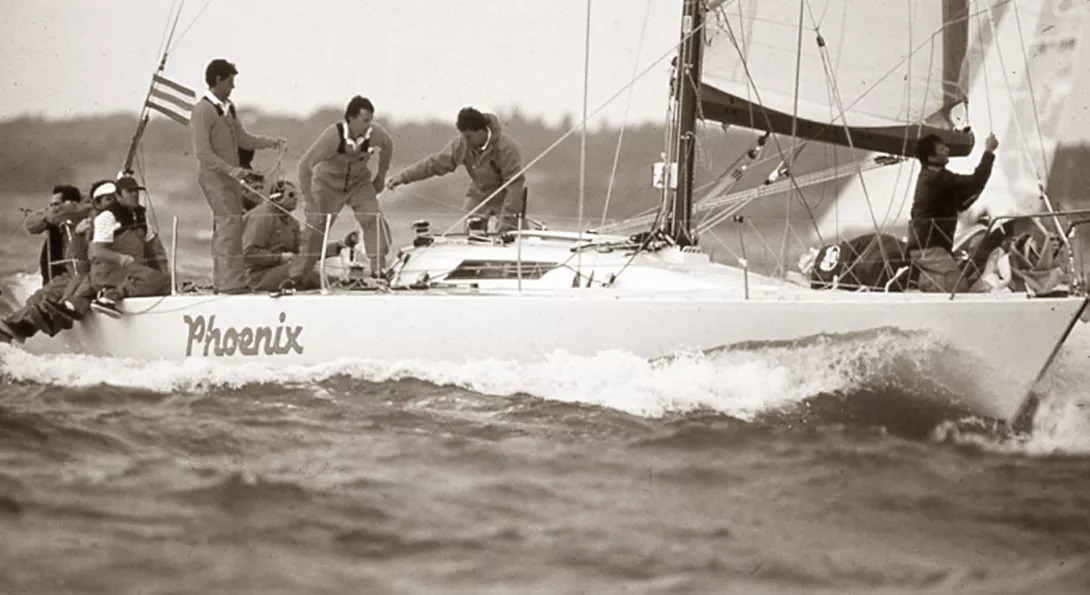
In yachting, it was the great Admiral’s Cup period and, among others, with our wonderful partner Corum, managed by Jean-René Banwart, we tried out new hulls and identified the best architects in the world. There would be the First Evolution, Lady B, and First Lady, all prototypes that would help us progress and later enable us to provide our customers with the best production boats.
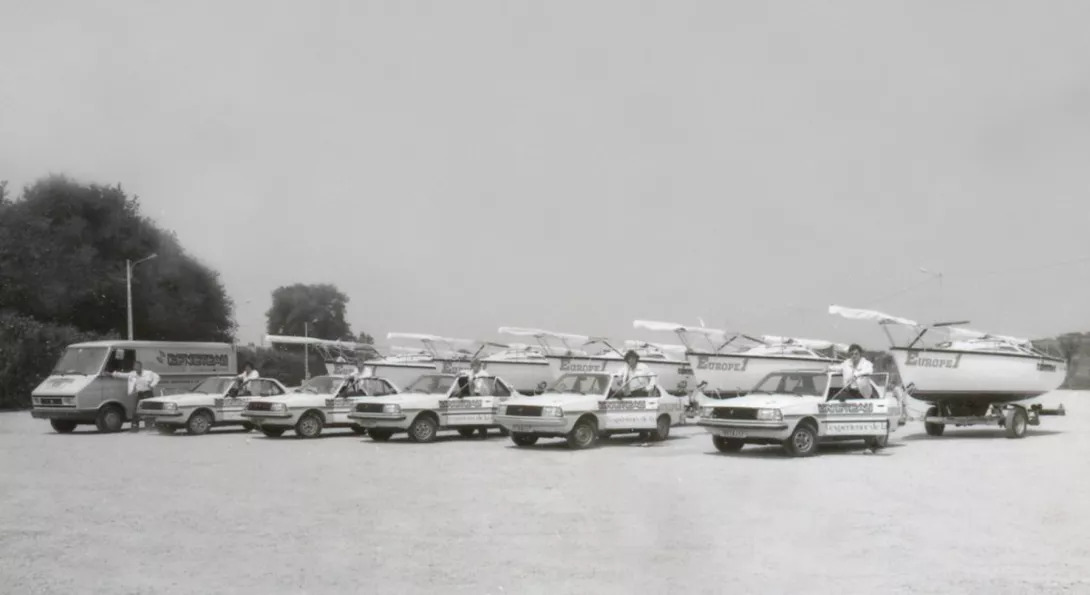
During this decade, for all that, we continued to pay particular attention to our customers who wanted to take things further and we organized gatherings (I got the idea from the motorbike world). They were called the Évasions d’Or. We also thought about our future customers. We made agreements with radio stations such as Europe 1 and RTL. We joined them in the organization of the “tournées des plages” (beach tours) and it was in the delightful company of celebrities such as Michel Drucker, Carlos, Thierry Le Luron and many others, that the French discovered the joys of setting out to sea.
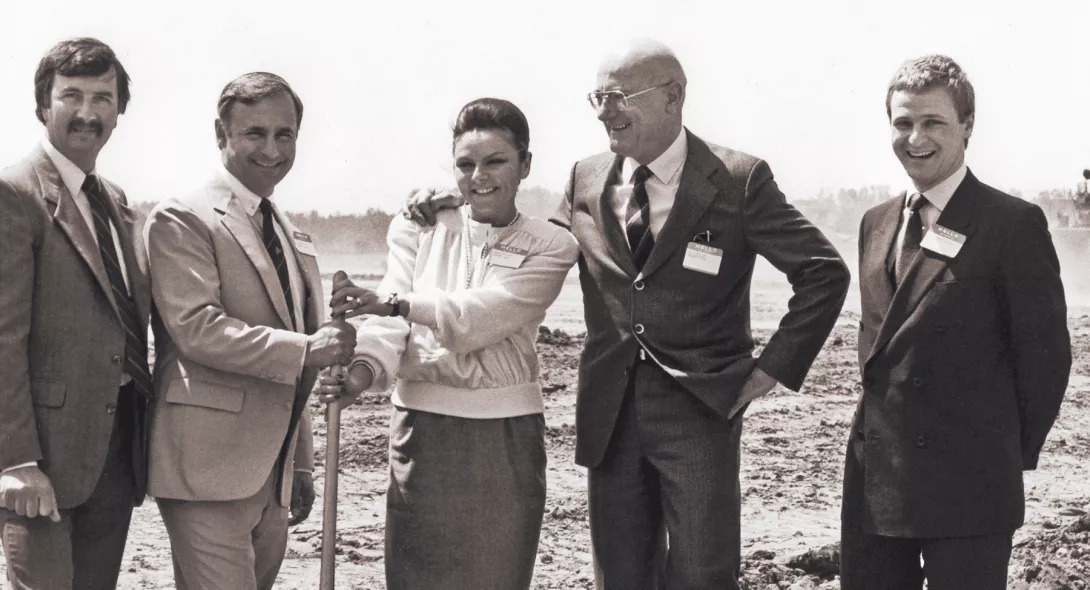
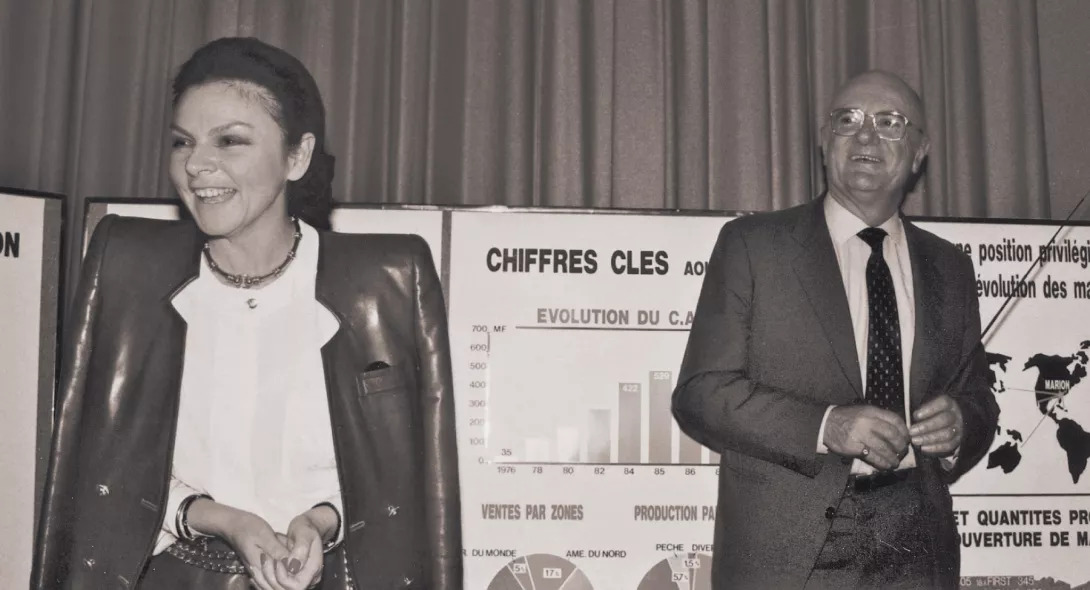
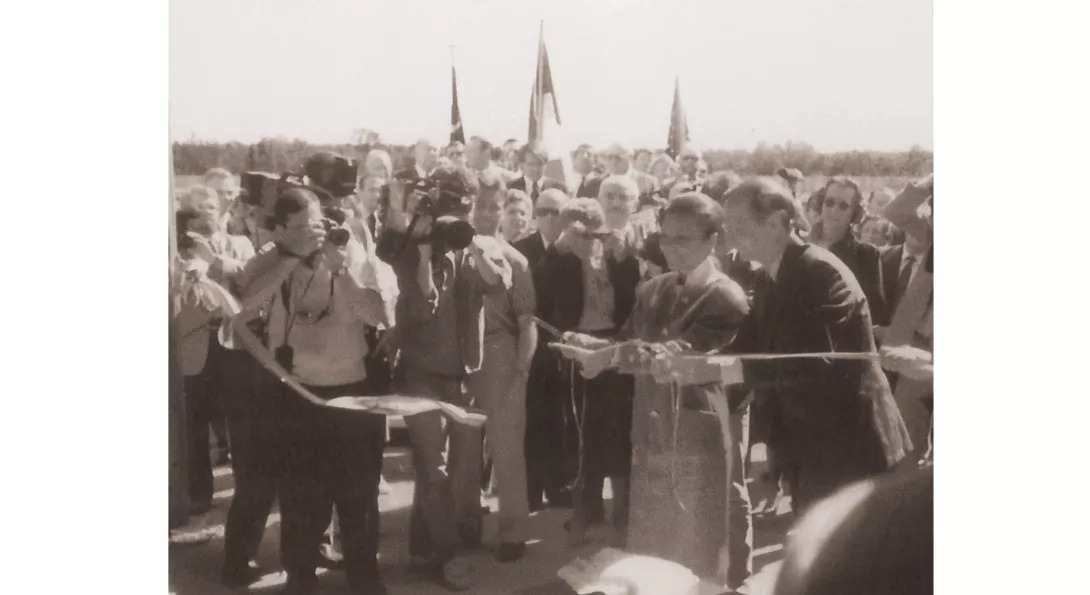
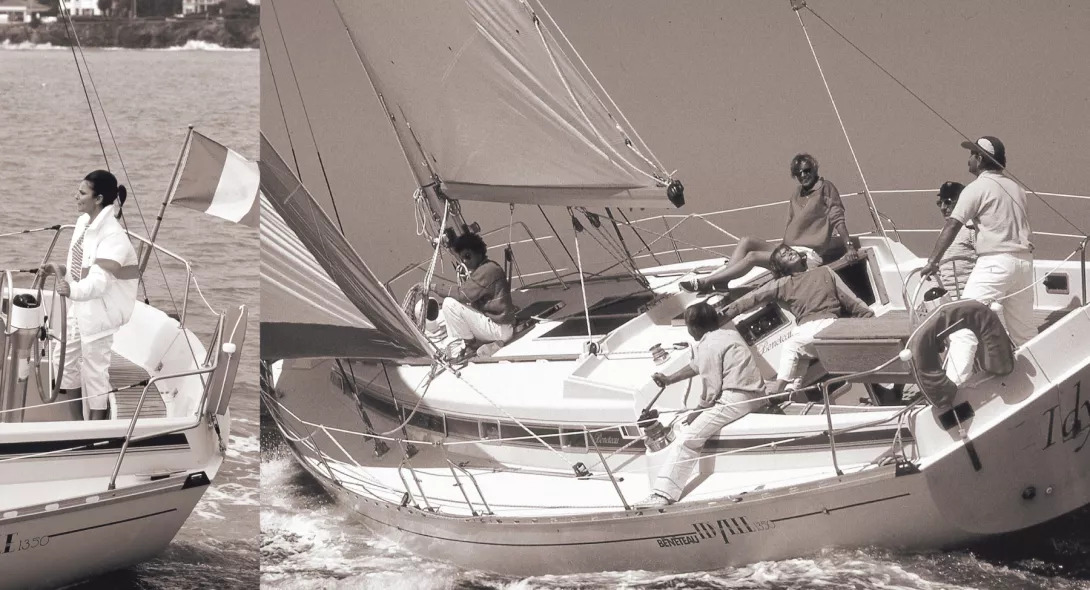
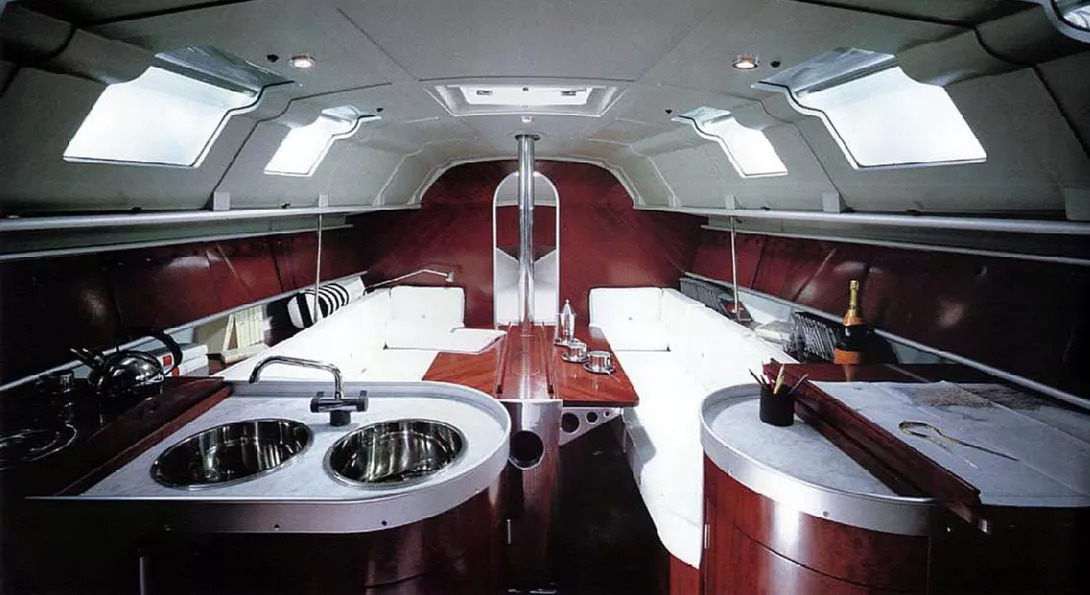
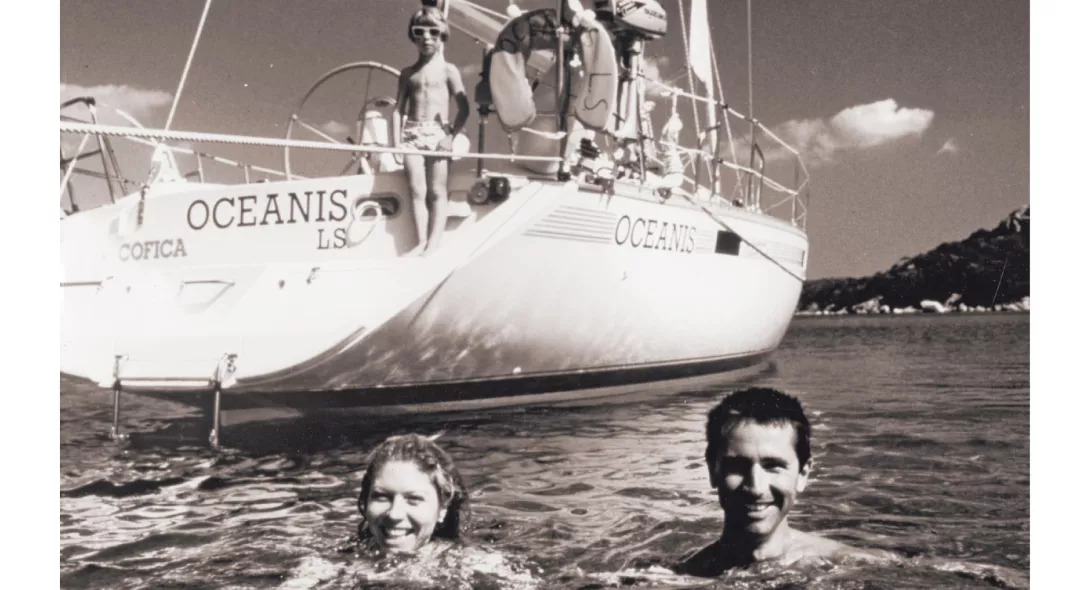
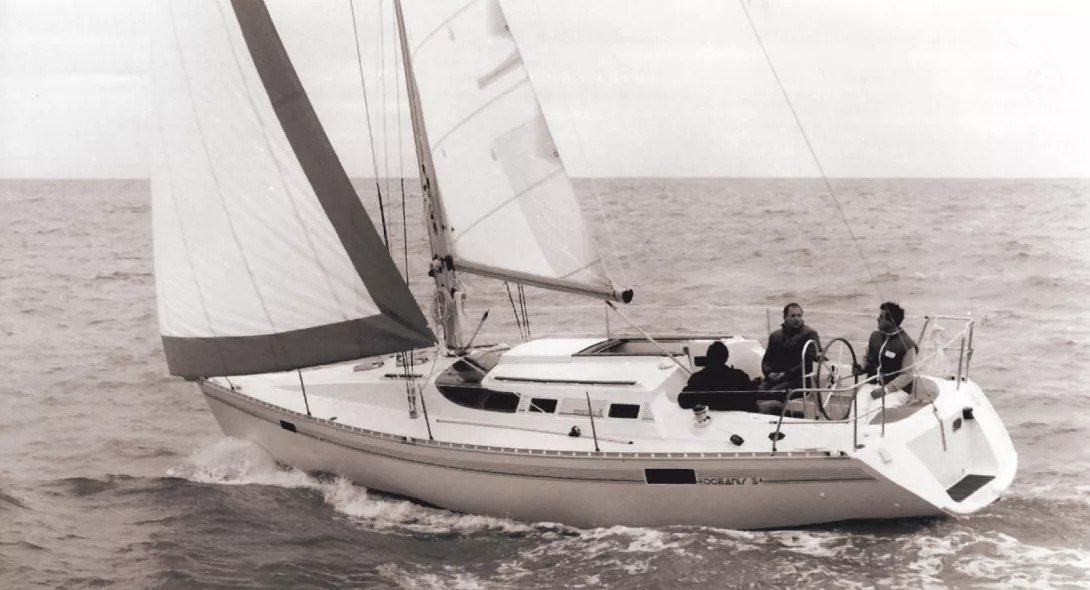
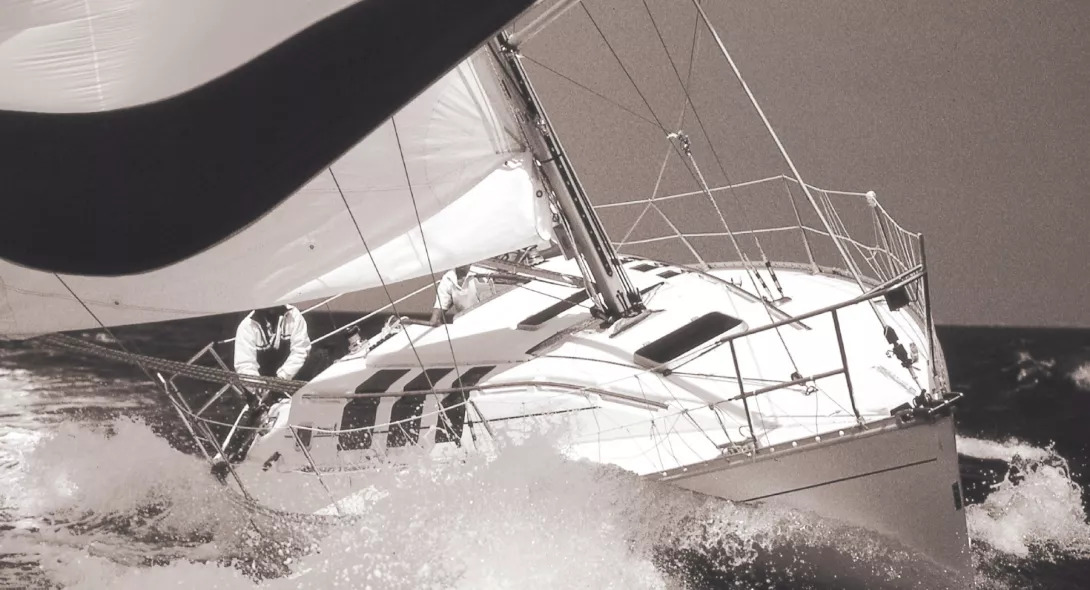
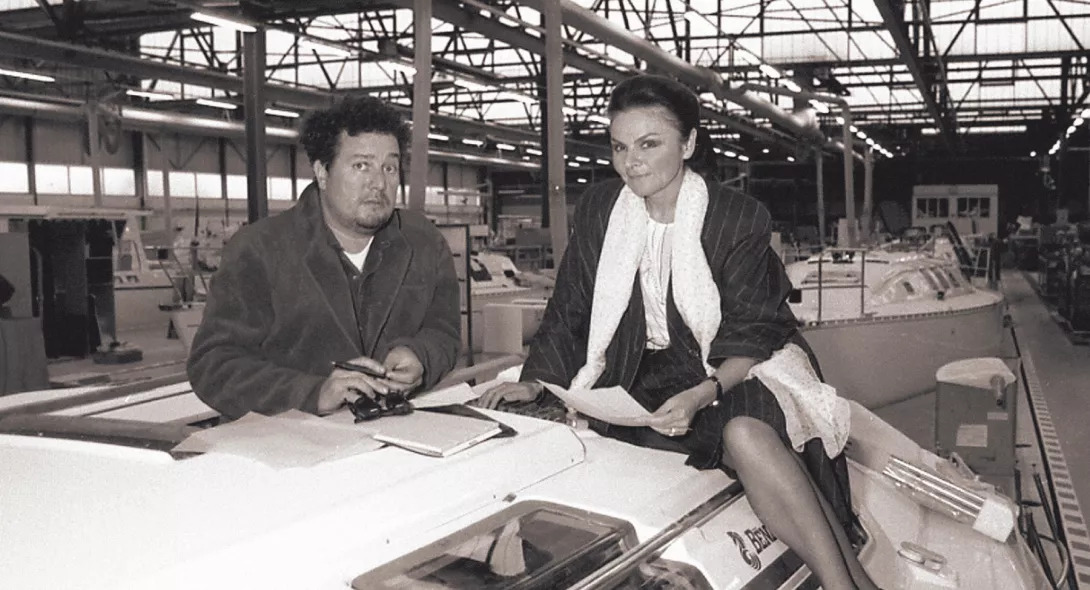
Этот период стал для нас решающим. С 1970-х мы начали экспортировать нашу продукцию. В странах Европы сформировалась сеть дилеров. Исключением оставались США, где в 1976 году мы открыли дочернюю компанию в Аннаполисе. Мы хотели не просто продавать там наши лодки, а почувствовать рынок изнутри и узнать, что действительно важно для американцев.
During these five years, we would open subsidiaries, continue product development, take an interest in burgeoning charter companies, and in particular, the largest in the world: Moorings, then owned by an amazing couple - Ginnie and Charly Carry – who would become great friends, and with whom we designed the first boats that were really thought out with chartering in mind. This is how the 13.50 metre Idylle came to be. In a way it would be the ancestor of the Oceanis range.
1982 would also be the year a class was launched, its version established on the basis of one-design rules. The First Class 8, designed by Jean-Marie Finot, became the first French one-design class, with nearly 1,000 boats competing on seas for more than twenty years.
Then would follow the First Class 10 and 12, which, at the time, would take part in the well-known “combat des chefs”(leaders’ fight) in Marseille; a challenge in which we would have the pleasure of seeing politicians and important upcoming company managers compete.
1984. The French Stock Market opened the Second Market. Zodiac was the first to be introduced and, for BENETEAU’s hundredth anniversary, we would also be listed on the stock market. Considering the many investment projects we had in mind, we had to consolidate our financial organization. There is no need to say that it was a great moment in our history and, considering the new constraints this would entail, we equipped ourselves with our first Financial Manager.
In 1985, apart from the new factory in Challans, we would begin to build our first production site abroad, having acquired sufficient sales volumes in the United States. It would be located in the centre of the east coast. The Carolinas appealed to us, and just two hours’ drive from Charleston we would stop in a small American town called Marion. For the French, to invest in the United States industrially was thought of as highly ambitious. Many groups had had to give up on such ventures, but our conviction was such that we did not hesitate a second.
The basis for reflection on a Cruiser would be the Idylle, perfected by our friends Moorings. François Chalain would choose Philippe Briand 3 and, in a few months, they would create the Oceanis 350 and then the 430. The wager paid off, and success was instant. The production lines would fill up again.
How could we revive it? We needed help! When François was dining one evening at Costes café with Odile, his wife, feeling good in these surroundings, he thought of Philippe Starck. I met Starck in Paris and he did not hide the fact that boats were not his speciality. So he suggested we leave him a 35 foot boat in his garden at Montfort-l’Amaury, saying that he would be happy to spend a few nights on board and that only after this experience, in all probability, would he be able to answer us. Although his approach was unusual, we met his request with a First 35, the first boat designed with two rear cabins, fruit of the collaboration between François Chalain and Jean Berret. And so we waited… The least I can say is that, when he reported back it, was a breath of fresh air !1!
It was in this happy, affectionate and yet oh so professional atmosphere that the First 35 S 5 would be born. I could write pages of anecdotes and emotions related to this period which brought back joie de vivre and a desire to surpass ourselves, the greatest moment of which was when it was shown to the public at the Paris Boat Show in 1987. What a shock! One out of two customers adored it, one customer out of two hated it. This was not a problem, the production was a success and Starck not only helped us progress, but the whole profession. He also discovered a world in which he is now the designer of one of the greatest yachts on this earth!
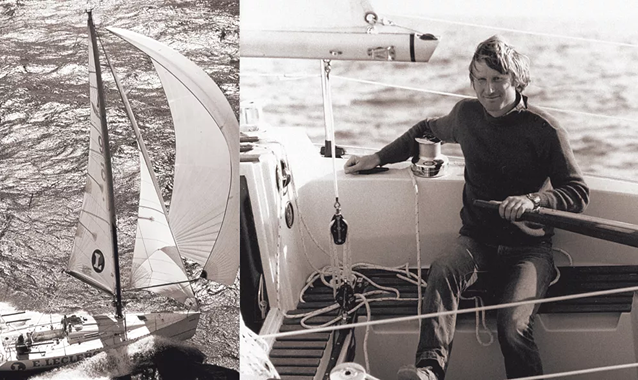
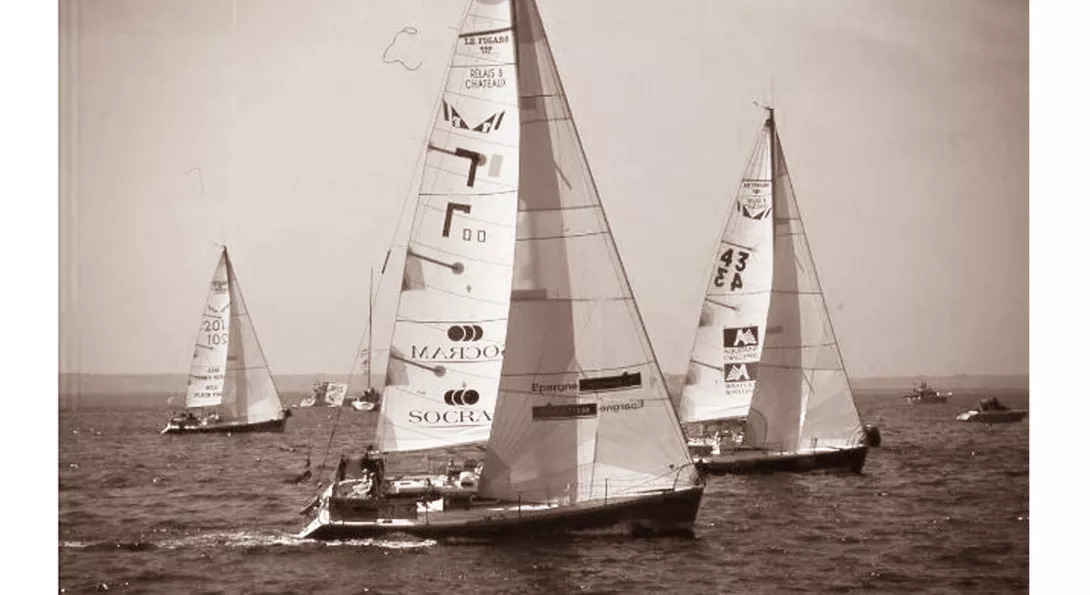
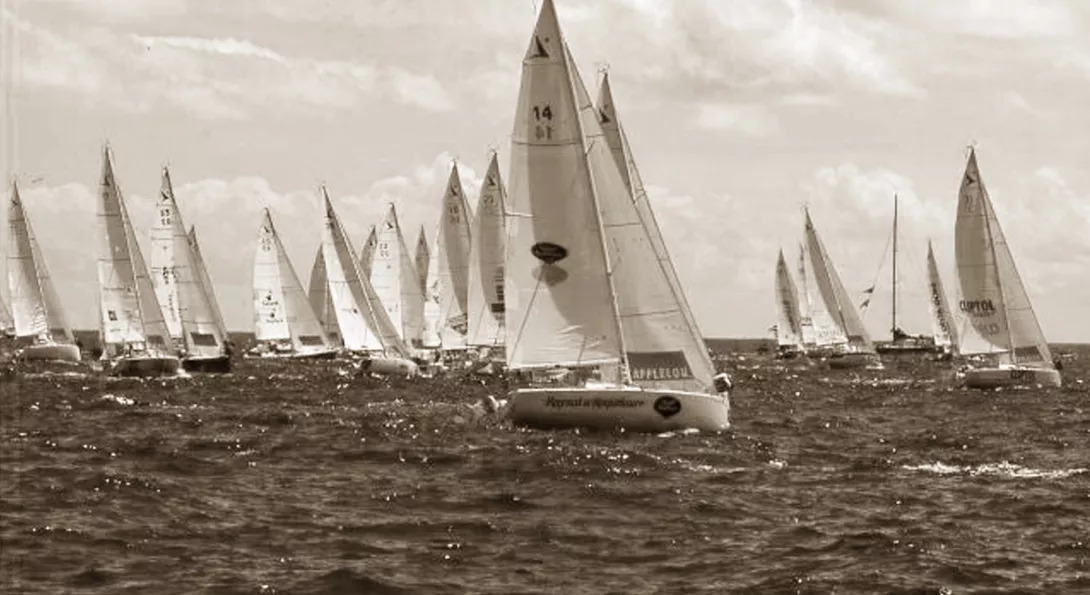
В 1989 году, на фоне роста популярности парусного спорта, появился монотипный класс Figaro. Это случилось благодаря гонке Course de l’Aurore.
Мы следили за этой регатой с тех пор как спустили на воду нашу первую яхту First, получившую признание благодаря Мишелю Малиновски, победившему на ней в гонке 1971 года. Когда Course de l’Aurore перешла на монотипы, мы не могли оставаться в стороне. Впоследствии гонка стала называться Solitaire du Figaro.
The project presented by Beneteau and Jean-Marie Finot would win the competition. We would thus have the privilege of building these one-designs, but also of participating with the Figaro in the birth of a wonderful incubator of young sailors, who would then move on to offshore sailing, securing the reputation of French sailors in competition sailing.
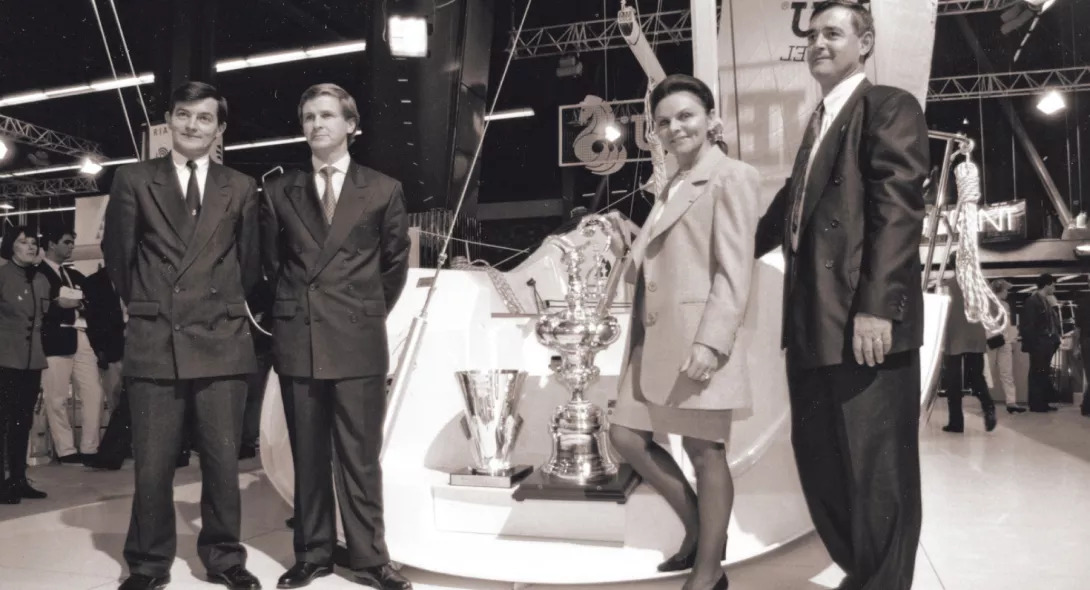
Когда над отраслью нависла глобальная экономическая буря, мы продолжали творческий поиск — особенно в линейке First. На выставке в Париже мы встретили нашего итальянского клиента – дизайнера из Pininfarina. Он заставил нас задуматься и поделился своим разочарованием: «Я больше не могу мечтать — все лодки одинаковые. Силуэты автомобилей меняются, а палубы яхт остаются грубыми и угловатыми”.
I must say that the Pininfarina family was wonderful. Sergio knew full well that our resources were comparable to those of his car industry clients, but he would make his services available to us and together our teams would create flexible decks. Once again, I was there for one of those virtually religious moments when, bit by bit, Mr Ramacciotti’s red tape transformed the deck matrix of the future First 45.
The talent of designers will always fascinate me. This boat would be presold in large numbers, before even being shown, and I admit to still having the same feeling today when I see one moored at harbour. I am probably no longer objective, but they haven’t aged a bit.
Before closing the decade of the 1980s, I would like to digress on fishing. We could not abandon our professional fishermen as customers, and gradually they progressed from wood to polyester. In order to separate our activities, we bought out one of the last wood boat builders in Vendée, the Gendron yard in Noirmoutier. Here we found a top quality workforce and, of course, fishing was our elder brother’s real passion. He would continue to develop hulls up to 22 m, and we would continue to mix with this very brotherly and friendly world of sailors, until the day we had to admit that it was no longer reasonable from an economic point of view.
В 1991 году кризис охватил весь мир. Понятных решений не было. Кто-то действовал исходя строго из финансовых условий и терял команду. Кто-то опирался на людей, рискуя остальным. А кто-то просто сдался. Мы выдержали, потому что держались единой командой.
Мы верили в людей и знали, что можем на них положиться. Кризис — не только падение, это и момент прозрения, переоценки и обновления.
It was during this period, that the people who had continued to forge the soul of BENETEAU would leave us. We lost our mother, Madame Bénéteau and I lost my husband, Louis-Claude Roux, who, in a few seconds, would leave me alone with our two children and the Roux hardware business together with its two hundred distraught employees.
In 1992, we carried out our first external growth transaction. Apart from the development of marinas and their facilities and an unquestionable tourist boom in the French Overseas territories, various tax relief laws enabled the creation of small new yards in France. This was how CNB was created in Bordeaux.
In 1995, Jeanneau was our second area of external growth. A chance to make peace with our long-time great challenger would be the high point in our history and probably that of the French sailing industry too.
It would be a tough fight. The administrative services in Paris had decided to restructure the sailing industry. In this restructuring, “they” defined our future, but what right was it of theirs? I became aware of this after a loyal friend confided in me at the Paris Boat Show, but it was nearly too late. I was completely outraged! I immediately returned to Vendée, isolated myself to think things through better and, once again, I called my faithful solicitor. Their maneuvers were sufficiently crude to enable us to attack. So we attacked. The tribunal gave us an extra week to hand in our offer. In short, the hearing arrived and, in their wisdom, the Court of La Roche-sur-Yon preferred our project. I was shattered when I finally went home and I only remember the smiling faces of my two children, deprived of their mother once again during these Christmas festivities and who, thanks to their loyal nanny, Joselyne, were happily waiting for me with a bunch of roses.
These two days over, this union meant a lot to me. It was the coming together of two Vendée families and two companies faced with the same problems and which immediately spoke the same language. They were two teams who, the day before, felt they were each better than the other. They would discover that they each had their pros and cons. So we would decide to focus on each team’s pros and leave the cons to the side. Together, we experienced the very strong market recovery and together, enriched by the contribution of new and experienced men, we changed scale.
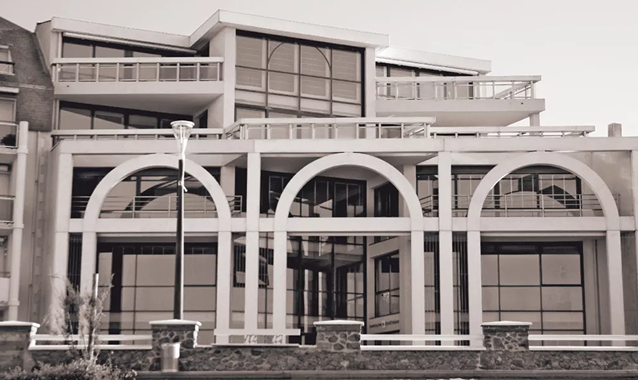
Именно в период кризиса компания значительно выросла и окрепла. 2004 год стал годом роста. Мы бурно развивались, строили новые предприятия, обновляли старые. Проекты велись под руководством Ивона Бенету и бюро Beri. Мы заняли прочную позицию на рынке. Но были уже не той маленькой семейной компанией. Верфь стала Группой Beneteau со штаб-квартирой в родном Сен-Жиль-Круа-де-Ви, в здании у входа в порт. Здесь мы часто бывали вместе с отцом и смотрели, как на воду спускают очередной траулер. Я провела во главе компании 40 лет, и теперь за дело взялось новое поколение семьи.
This brought me to initiate and oh so important yet difficult phase. This would be to set up a real governing body for the Group to ensure its continuity in the future, beyond the fate of men. It is our duty towards our employees, customers, and suppliers, as well as non-family member shareholders who have put their faith in us.
This governing body would be comprised of a Board of Directors, mostly family members, as well as a Managing Director, up until now, from the family. We would adopt a method of governance comprised of a Supervisory Board – extended to people outside and skilled in very specific areas – as well as an operational board of directors.